
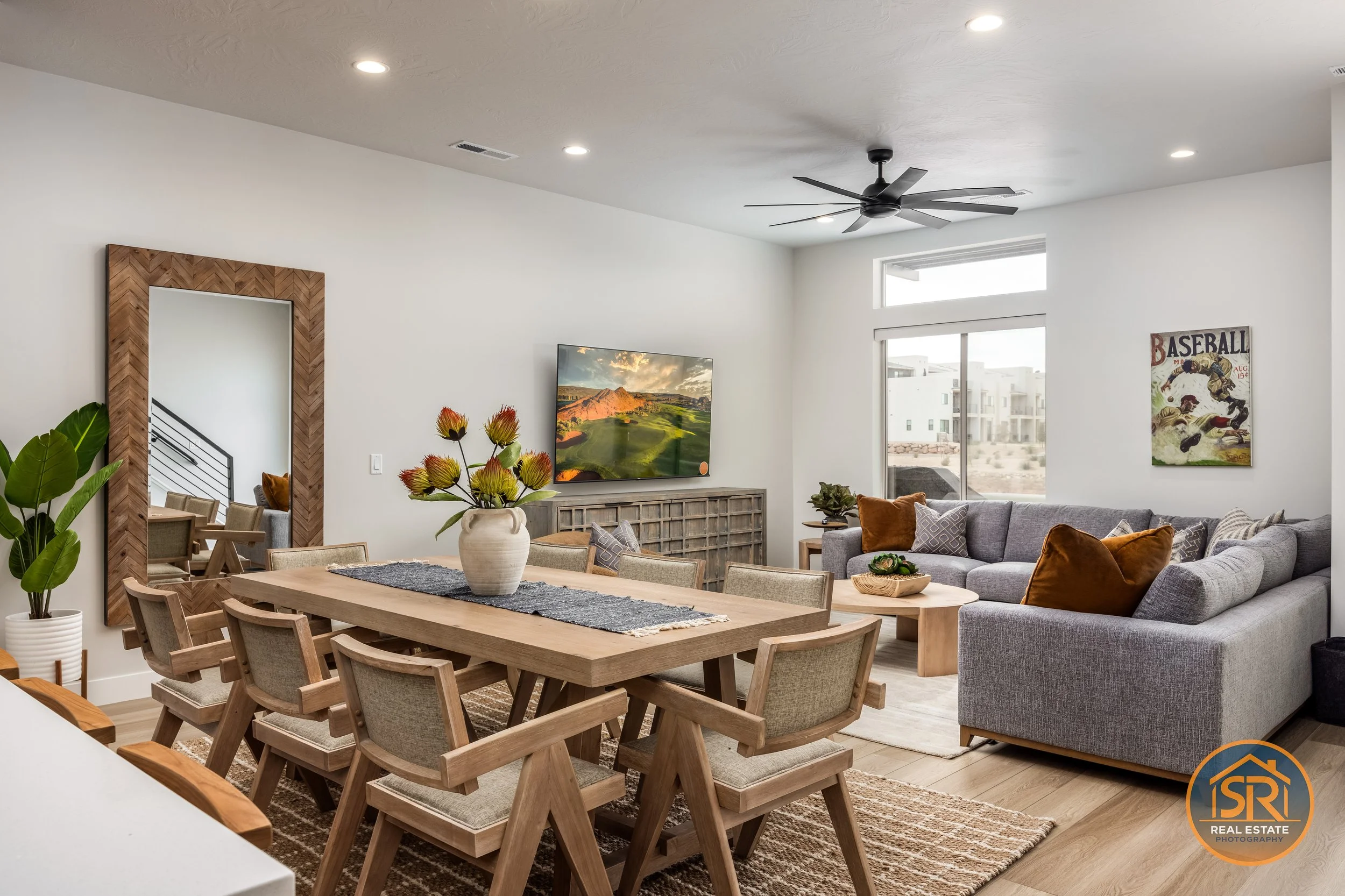
A room can be ready at the start of a Matterport appointment and unready ten minutes later: someone closes a connecting door, moves a chair into the route, or begins using the next room. Prepare the handoff around what needs to stay consistent.
Matterport's scan-service checklist calls for deciding the capture route, opening doors to rooms being captured, keeping objects in place, keeping people and pets out of the area, and removing private items. The worksheet below turns those preparation points into assignments for the person managing the property.
Make a room register
Use one line per room or separate area. Do not silently add a detached structure or exterior space to the booking.
[Room/level]
- Capture status: Agreed / excluded / ask first
- Access owner: [Person with key or authority]
- Unresolved issue: [Privacy, occupancy, or route issue]
Example: upstairs office
- Capture status: Ask first
- Access owner: Property manager
- Unresolved issue: Desk documents must be removed.
Example: detached studio
- Capture status: Not yet agreed
- Access owner: Owner
- Unresolved issue: Confirm whether it is within the requested scope.
The two example entries are hypothetical. Replace them with the actual property and resolve every “ask first” entry before capture of that area begins.
Before the first scan
- Walk the agreed route together. Point out split levels, secondary stairs, and connecting doors that are easy to miss.
- Finish moving things. Set furnishings and doors with the photographer's guidance, then leave them in that arrangement.
- Clear private information. Check screens, paperwork, calendars, and reflected areas, not only the main view into each room.
- Name the waiting area. Agree where occupants and pets can remain without entering the active capture area.
Give each unresolved item a clear next step
For the hypothetical upstairs office, “documents must be removed” is more useful when the property manager also knows who will clear the desk and when the room can be checked again. Until that happens, keep the room marked “ask first.” Do not treat an open door as permission to capture an area whose access or privacy questions remain unsettled.
Share the final register with the person meeting the photographer. If a room changes from agreed to unavailable, record that change rather than relying on a verbal message passed between several people. A short, current list is easier to use on arrival than several conflicting versions.
During capture
Use one contact person for interruptions. If someone must enter a room or move an object, tell the photographer before doing it. Do not trail the equipment from room to room or “finish tidying” just ahead of it. Follow the operator's instructions on where to wait.
Before the appointment is closed out
Compare the completed coverage with the room register. Record any excluded or inaccessible area and confirm who restores doors, lights, and access arrangements. Keep delivery questions on a separate line: intended sharing destination, hosting arrangements, requested assets, and who will manage the finished experience. Confirm those terms rather than assuming a floor plan, measurement output, download, or hosting period is included.
Ready means: agreed areas accessible, sensitive items removed, setup settled, and occupants coordinated. If one of those remains unresolved, name the person who can resolve it before proceeding in that area.